

I’ve been trying to immerse myself in the depths and breadths of Substack’s photographic community since I joined the platform a bit more than a year ago. I’m getting a lot out of it - inspiration, ideas for shoots, tech tips, general enjoyment - but I’m also reading a lot of grandiose think-pieces on topics like finding your photographic voice and envisioning the shot before you capture it and asking why you take the photo rather than how.
The thing is, though, the reason that I’m a photographer (and I know this is weird) is that I just really enjoy taking pictures.
And I don’t mean creating art via the medium of photography. I mean holding the camera up to my face, looking through the viewfinder, and working all the dials and buttons. I appreciate the technical challenge and opportunities that photography, in all its forms, offers me. When I see a photograph that demonstrates some new technique or variety of photography that I’ve never seen before, my immediate instinct is to try to do it myself. Not to master it, per se, but to learn about how it’s done, and prove to myself that I can do it.
So here’s just a little taste of my personal photographic ADHD, a photo essay that I dedicate to all of you out there who refuse to be pinned down to a genre, a style, a focal length, or a medium.
Exhibit A: Film
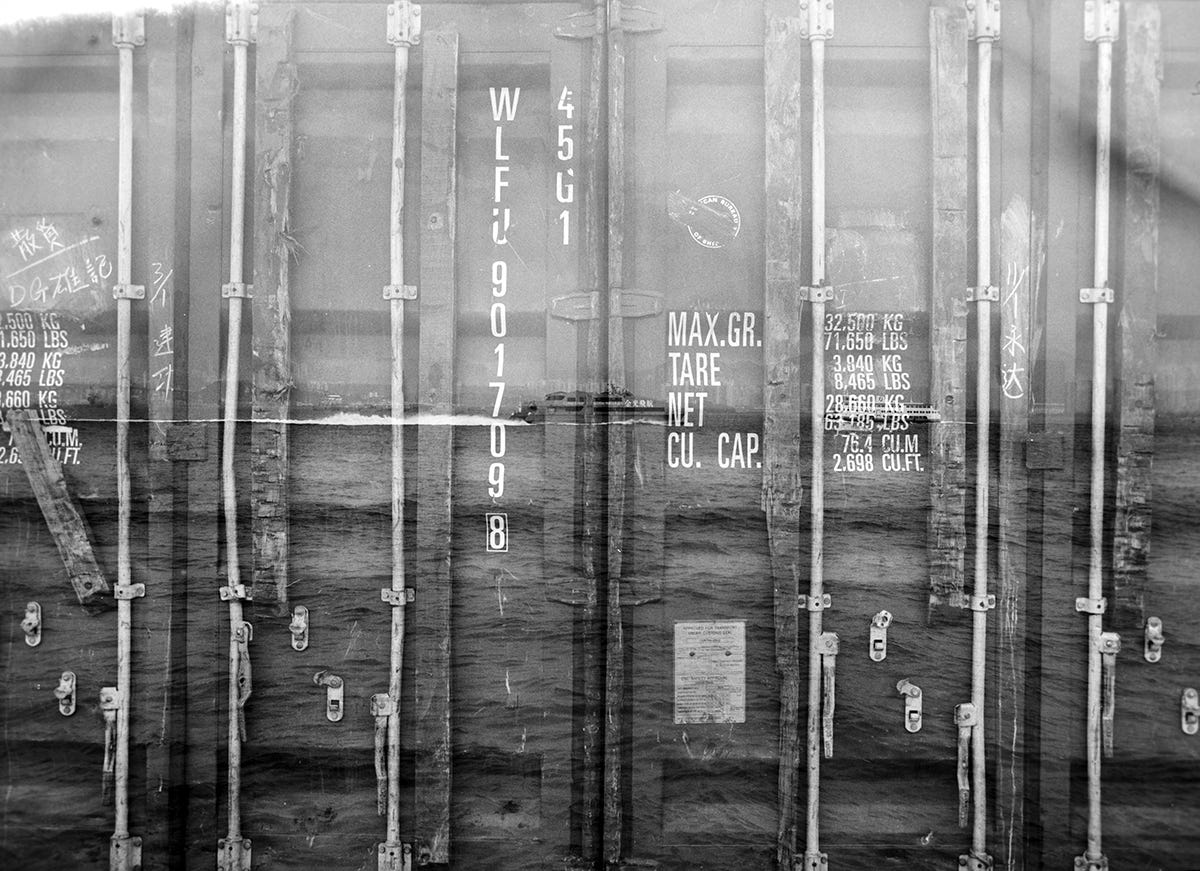
When I finally got into film photography in 2021 (thanks, COVID), I didn’t just pick up a Canon AE-1 and a 50mm f/1.4 like a sensible person. Oh my, no. My first film camera was a Mamiya 645 1000S, which I traded in for a 645 Super, and then finally a 645-AF. I also had a Bronica 645 rangefinder (that shot in portrait orientation). And an Olympus Pen-F half-frame camera. Now I’ve sold all of those and shoot 35mm film with a Canon EOS 3 - one of the weird models with eye control AF, obviously.


Exhibit B: Lenses


You name a niche lens, I’ve probably at least been tempted to try it. Fisheyes (both circular and rectilinear), anamorphic cinema lenses, tilt-shift, some Lensbaby offerings thrown in for good measure… I’ve played around with all of these, sometimes even selling them only to reacquire them again years later. (I’ve had a shift lens not once, not twice, but thrice so far - two for digital cameras and one for the Mamiya.)
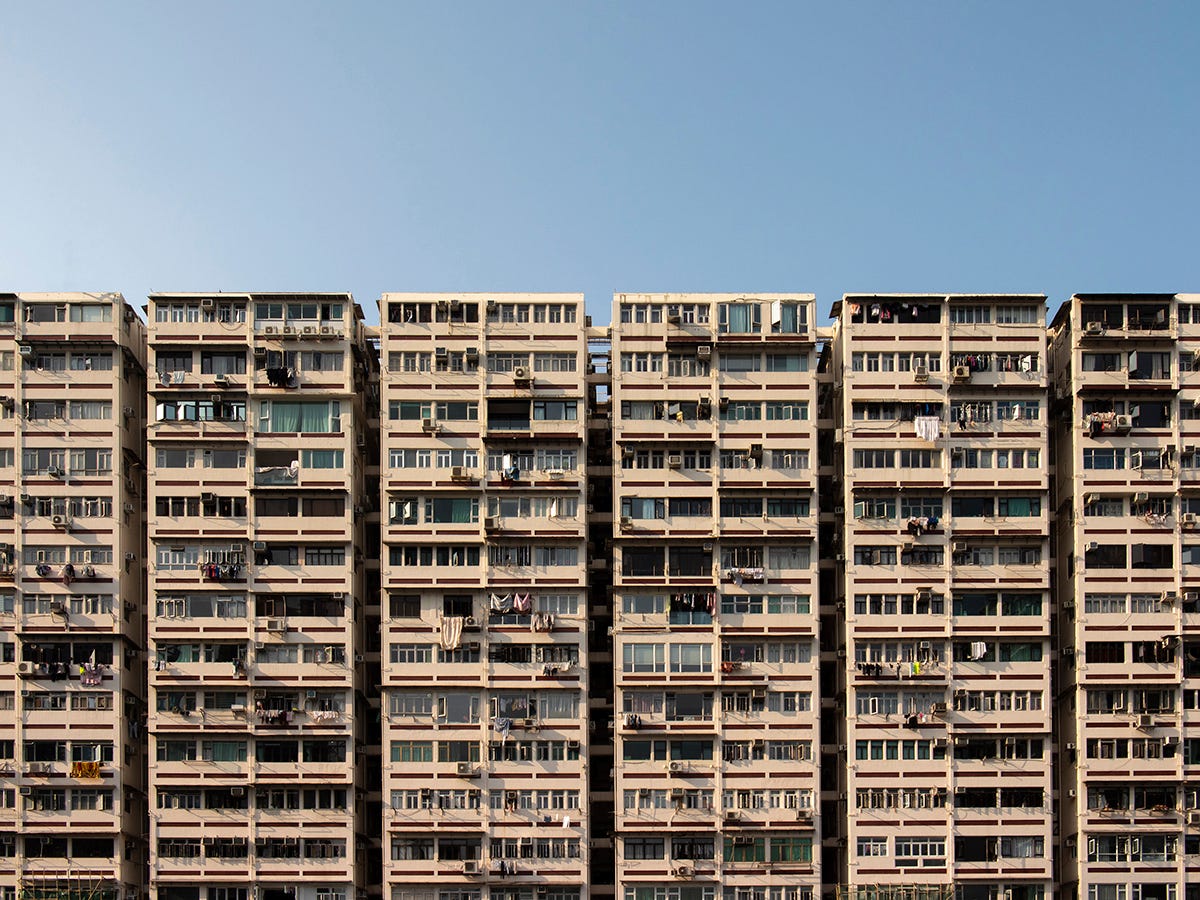
I am the opposite of the photographer who walks around with only a single standard prime lens affixed to his camera. Photo walk? Great! I’m carrying two bodies with a fast zoom attached to each one, because I’m going to photograph everything: landscapes, architecture, that weird looking pigeon - all of it, and I’ll be annoyed if I don’t have the proper focal length to do it. I have eleven lenses that I can use with my digital cameras at the moment, and yes, I need all of them.


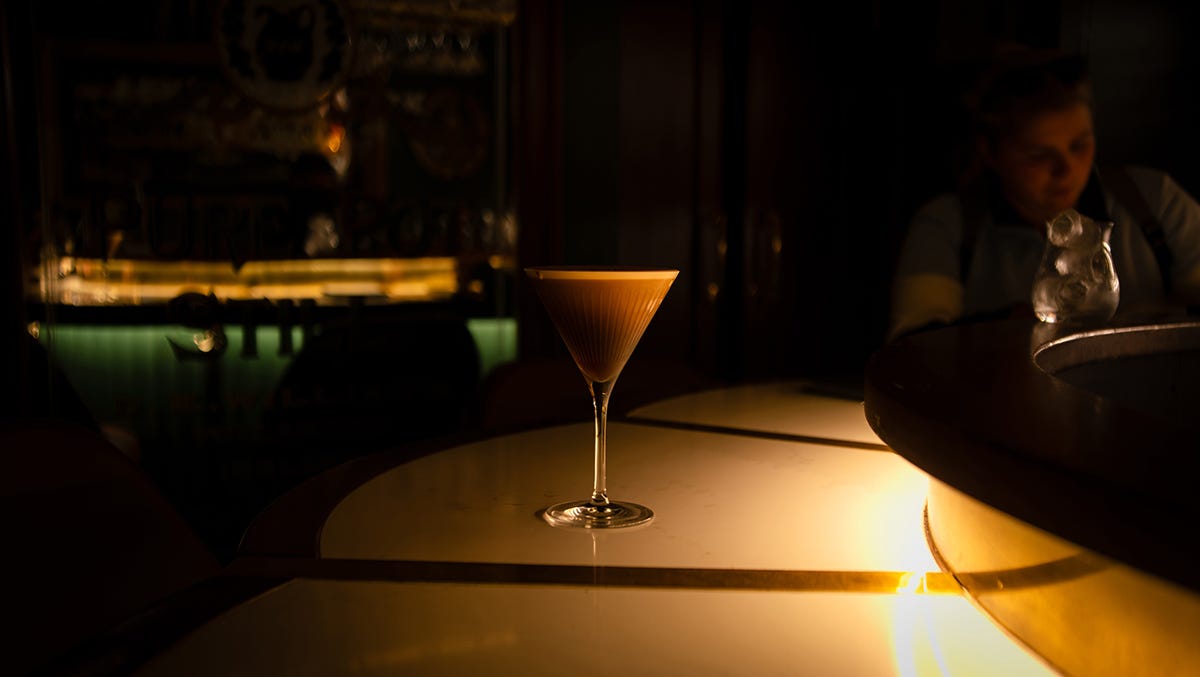
Exhibit C: Subjects
At no point in my 20+ years of photography had I focused on any one genre or subject before I started regularly shooting art-nude content for this site. While that’s the bulk of what I shoot these days, I still travel and shoot all kinds of different things while I’m away. Of course I do naturally gravitate towards a few very common photographic subjects (landscapes and architecture as two examples), but I’ve also spent considerable time photographing completely different things. Things like…
Concerts!
I’m a bit of a metalhead, and I’ve managed to get myself photo access on a few occasions, so I’ve photographed some metal shows.


Motorsports!
I’ve been a fan of dirt track racing for a good 15+ years, and these clamorous and chaotic events are where I learned how to do high speed panning.


Regular sports!
I’ve shot both indoor and outdoor sporting events, from professional baseball to wrestling - including the sumo variety.


Wildlife!
While I haven’t managed to train myself in bird-in-flight style nature photography (that seems like it would take just a bit more time than I’m willing to devote to learning it), I do love capturing slower-moving creatures of all types, big and small. I particularly love puffins and am chasing them around the world.


Exhibit D: Styles and Techniques
Nor do I limit my scattershot behavior to subjects and gear. If I get a new camera and it has a new feature, you bet I’m trying it. Olympus/OM-System cameras have been introducing (and improving) different “computational photography” modes that allow for some pretty impressive images to be created entirely in-camera, and I’ve tried them all.


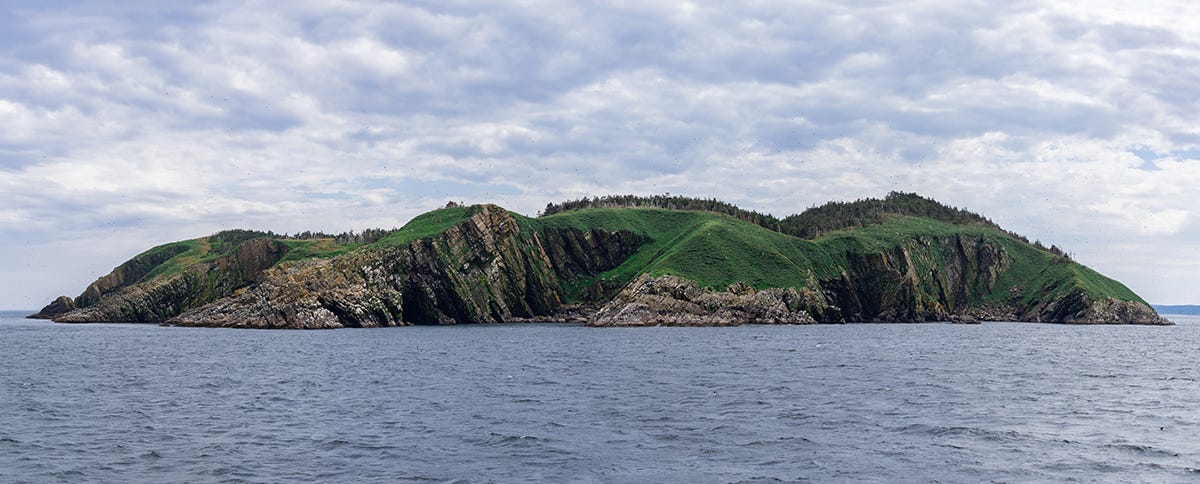
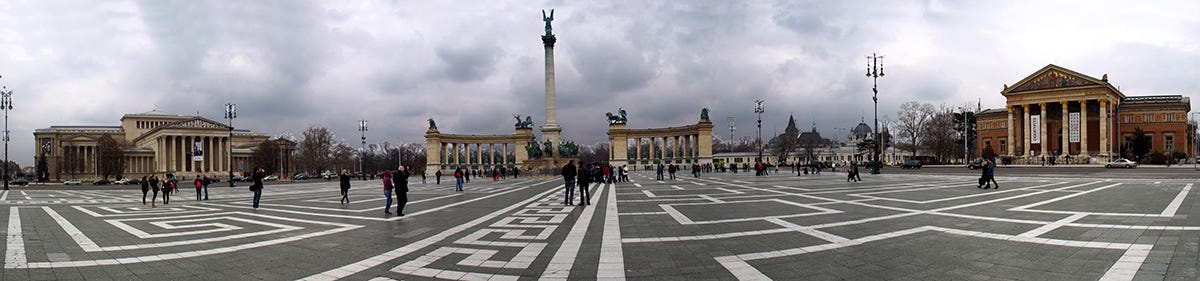
I’ve also really leaned into panoramic landscapes, going so far as getting a nodal slide to eliminate parallax when I stitch multiple shots together in post.
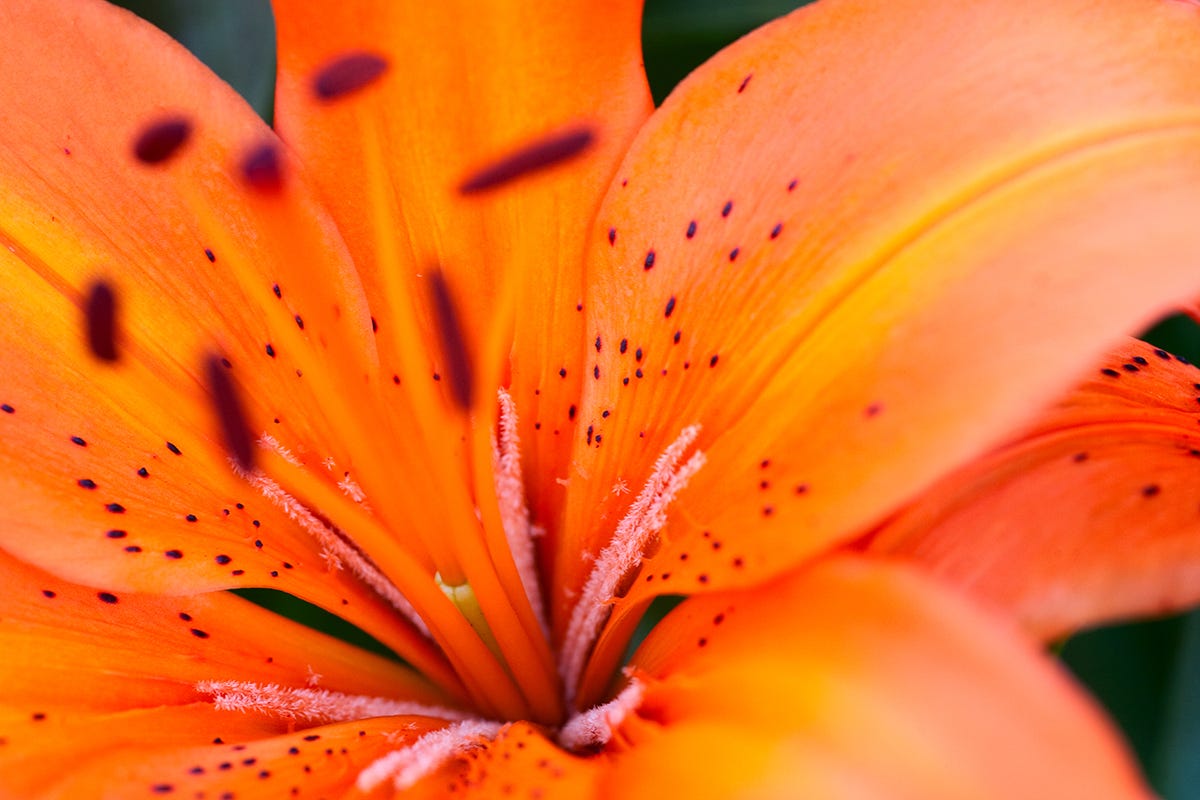
Of course I have to mention macro photography, which I can remember trying as far back as the mid-2000s with my Canon 5D and a borrowed Sigma 105mm macro lens, the combo used to take this photo. ⬇
I’ve already written a whole guide here about how to photograph flowers with a macro lens, but I’ve also trained my close-up optics on other things too, like mechanical watch movements, which really need to be seen up-close to be appreciated.


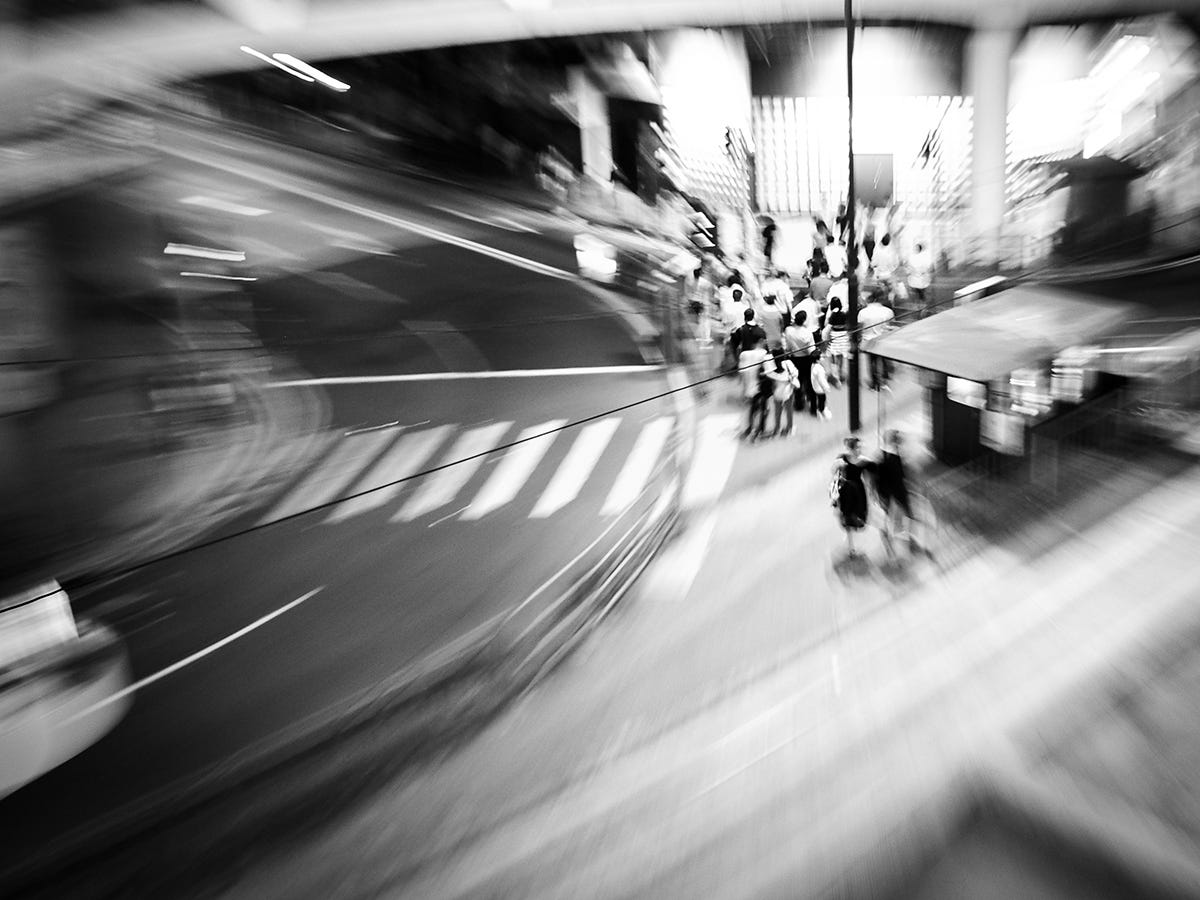
Perhaps the most experimental and avant-garde flavor of photography I’ve tried so far is Intentional Camera Movement (ICM), sometimes called “kinetic” photography. This generally involves moving the camera in some way during the exposure, adding some intentional blur to the image. The main way that I’ve tried this is turning the zoom ring during a long exposure, like this:
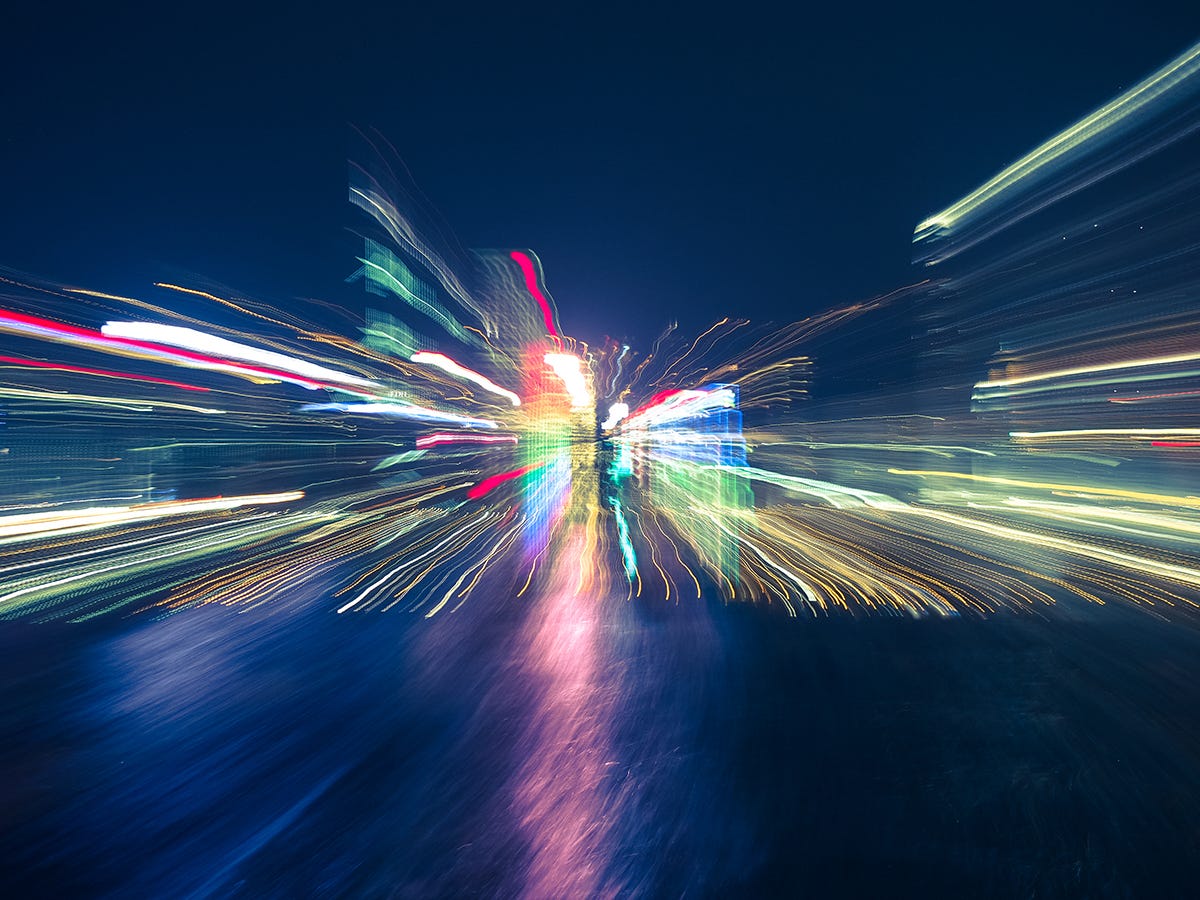
I didn’t feel like there was a whole lot for me to explore in this kind of photography, but I’ve seen some very creative uses of this technique from other photographers here on Substack, so maybe I’ll revisit the idea.
In sum: There’s no Wrong Way to be a Photographer
If you’re a photographer of any kind - professional, casual, or even just aspiring - ask yourself why you picked up a camera the first time. That answer will be personal to everyone. Some will say, “to capture something beautiful,” others, “to convey emotion through light and shadow.”
For me, though, the honest answer to that question is, “because I wanted to play with it.” I embraced photography because I embraced the camera - not as an instrument to paint with light, but as a gadget. A collection of circuits and ground glass that can be used to document the infinite expanse of human experience, if only I could figure out how to do it. The figuring out part was the hook.
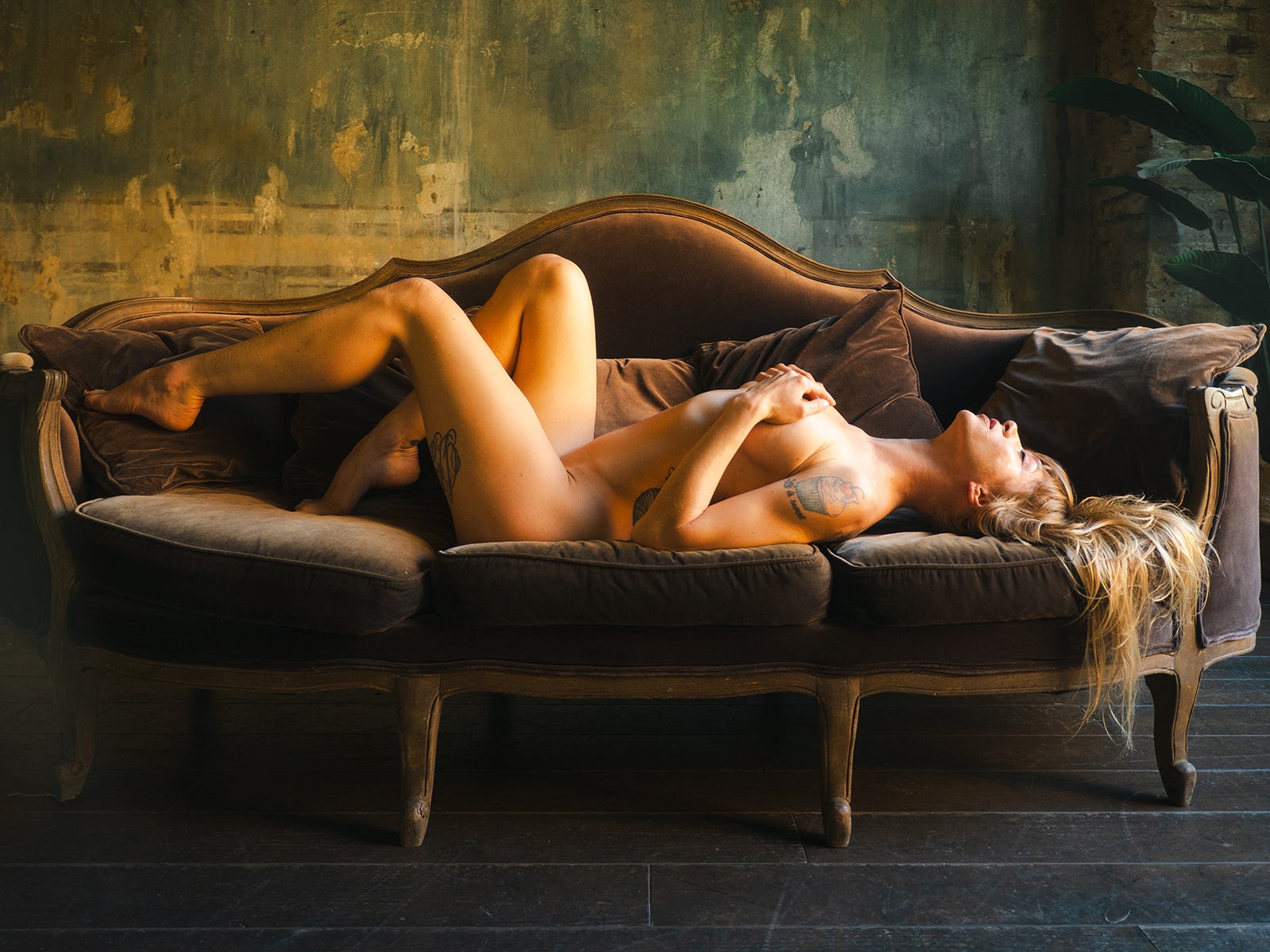
I have evolved since those early days, of course. I do view my camera as a tool for artistic expression, and I do believe that I capture beauty and convey emotion, especially in my artistic nude work. I’m proud of it, and I feel a touch of the profound when I capture something truly striking.
But there’s room too for the mechanically-minded, those of us who are as impressed by the technology itself as by the work that talented people produce with it. It’s a bit like buying a guitar, not because you have a song inside you that you need to sing out to the world, but because you like amps and cabinets, effects pedals, alternate tunings, the whammy bar, and digital audio workstations. The process, that is, rather than the product.
To put an even finer point on it: it’s ok to pick up a camera even if you don’t have anything to say creatively. You do not need intention, vision, or voice. Your reasons are your own, and they are valid.
Go forth, then, my fellow jack-of-all-trades photographers, and without diffidence, hesitation, or apology, photograph every damned thing.
These photos are terrific!
Love your work. You are an exceptional photographer thank you for sharing your work